First, prepare your card for sale by verifying its key details: confirm the remaining balance (via the card’s official portal or support), check the expiration date to ensure validity, and gather proof of ownership (like purchase receipts) to build trust with buyers. It’s critical to resolve any outstanding issues (e.g., unpaid balances for credit cards) before listing, as this avoids disputes later.
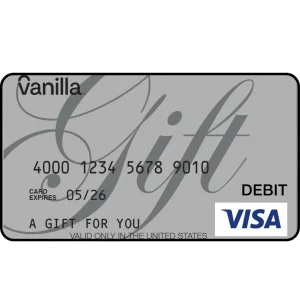
Next, choose a reliable sales channel: online gift card marketplaces offer secure, structured listings with verification systems, while peer-to-peer platforms (local classifieds, trusted community groups) allow direct negotiations. Prioritize channels with escrow services or buyer/seller protection to minimize scam risks, and avoid unvetted platforms that lack safety measures.
When listing, set a reasonable price—usually 80% to 95% of the face value, as buyers expect a discount for secondhand cards. Clearly describe the card’s condition (e.g., “unused, valid until [date], full balance $X”) to attract serious buyers. During transactions, never share sensitive info (full card numbers, CVV) until payment is confirmed, and use secure methods (PayPal Goods and Services, bank transfers) to protect funds.
Finally, keep transaction records (payment confirmations, buyer chats) for 30+ days to resolve disputes if needed. Remember: selling a card you don’t legally own is illegal—always confirm full ownership before listing. After the sale, transfer the card’s details only once payment is fully processed to avoid fraud.