Trading iTunes gift cards has become a popular practice in Nigeria, driven by the demand for digital content and the preference for local currency among many users. While these gift cards can be used to access apps, music, movies, and other services from a global digital platform, a significant number of Nigerians choose to trade them for naira instead. This is often because they may not have immediate use for the digital content, or they prefer the flexibility of cash to cover daily expenses, bills, or other financial needs. However, navigating this process requires care to avoid common risks associated with online transactions.
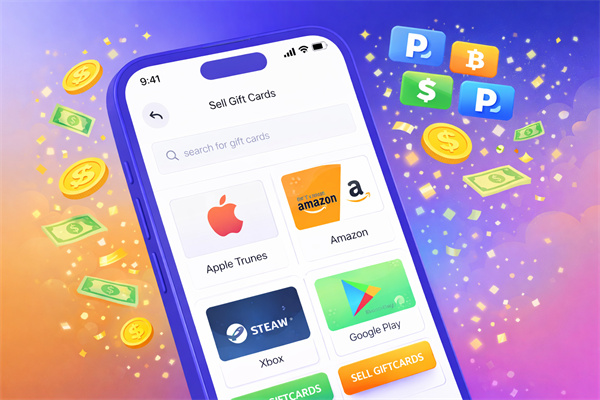
To trade iTunes gift cards safely in Nigeria, several key steps should be followed. First, verify the authenticity and balance of the gift card before initiating any trade—this can be done by checking the card’s code and confirming its remaining value through the official platform. Next, choose a trusted method of exchange: this may involve peer-to-peer transactions with known and reliable contacts, or using reputable services that facilitate gift card trades while ensuring secure payment and code transfer. It is crucial to agree on a clear exchange rate upfront, as rates can fluctuate based on market demand and card type (e.g., physical vs. digital codes).
Avoiding common pitfalls is essential to successful trading. Scams are a prevalent risk, including requests for the gift card code before payment is received, fake cards with no valid balance, or fraudulent platforms that disappear after receiving the card. Additionally, it is important to comply with local regulations regarding gift card trading, as some practices may be subject to legal guidelines. Traders should also keep records of all transactions, including payment confirmations and card details, to resolve any disputes that may arise. By taking these precautions, individuals can trade iTunes gift cards in Nigeria with greater confidence and security.