Trading a card can be a practical choice if you no longer use its associated benefits or want to exchange it for something of value. Before proceeding, it’s crucial to confirm whether the card is eligible for transfer—some cards have terms that restrict ownership changes, so checking the issuer’s guidelines first is essential. Additionally, take time to assess the card’s current worth: this might include unused rewards points, cashback balances, or exclusive perks that add to its value for potential traders.
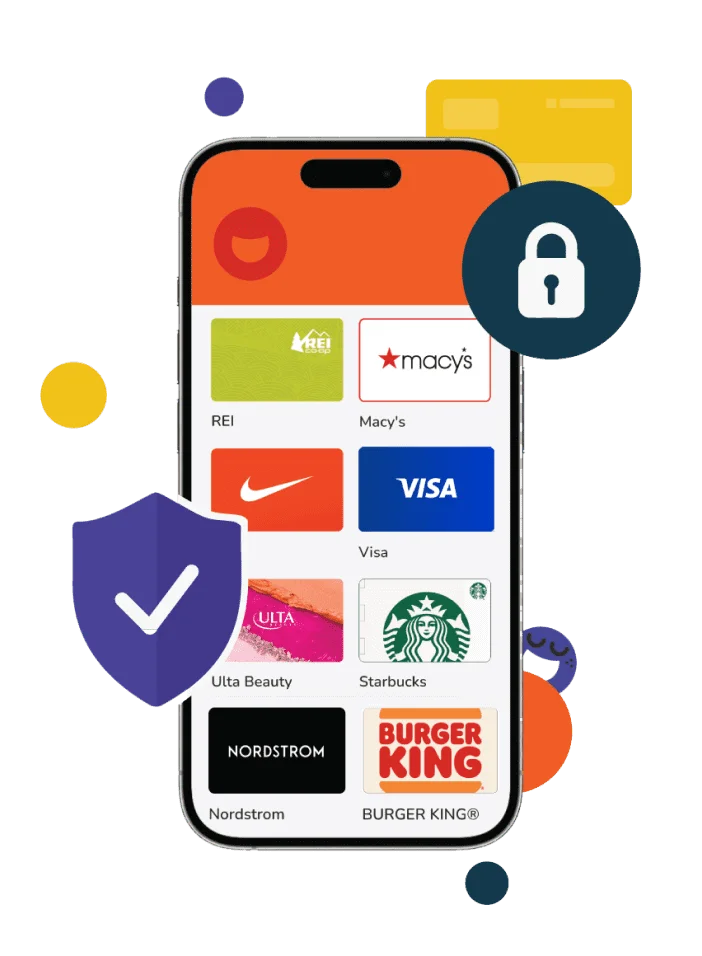
Next, gather all necessary documentation to facilitate a smooth trade. This typically includes proof of original ownership (like a purchase receipt or activation email), details of any remaining benefits, and a clear understanding of the card’s expiration date (if applicable). It’s also important to review any fees associated with transferring ownership—some issuers charge a nominal fee, while others may require the new owner to meet specific criteria (such as a minimum credit score, if it’s a credit-based card).
Safety is a top priority when trading peer-to-peer. Choose reputable platforms that offer buyer and seller protection to minimize the risk of scams. When communicating with potential traders, be transparent about the card’s status—disclose any restrictions, expired benefits, or pending charges to avoid disputes later. Once you agree on a trade, follow the issuer’s official process to transfer ownership: this often involves submitting a request with both parties’ information to ensure the card is legally transferred to the new owner.
After completing the trade, take steps to protect yourself. Confirm with the issuer that your name has been removed from the card account to avoid liability for future charges. Keep a record of the trade transaction (including communication logs and payment receipts) for at least a few months. If you had linked any payment methods or subscriptions to the card, update or cancel them immediately to prevent unintended charges.